Charming Kawaii Baby Animal Clipart for Creative Projects
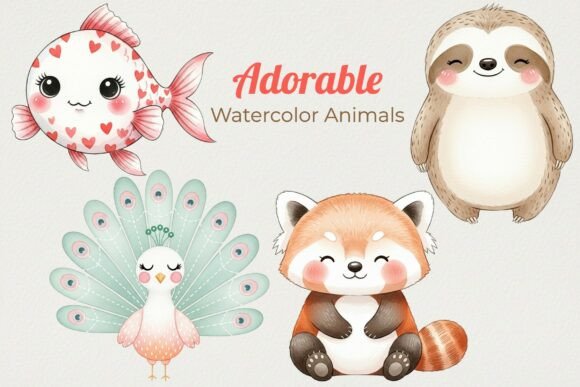
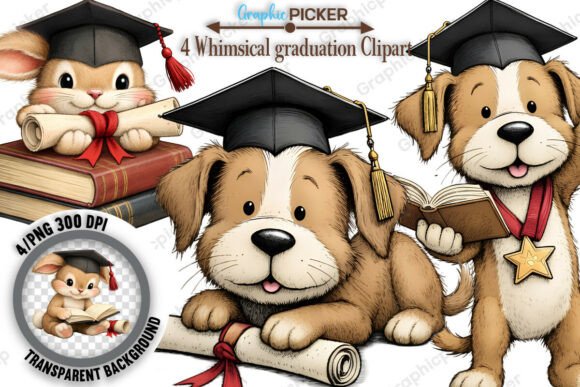
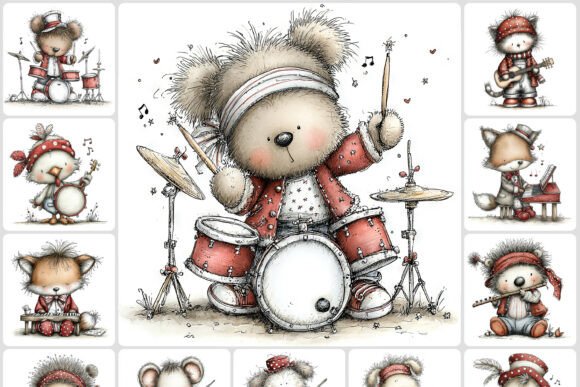
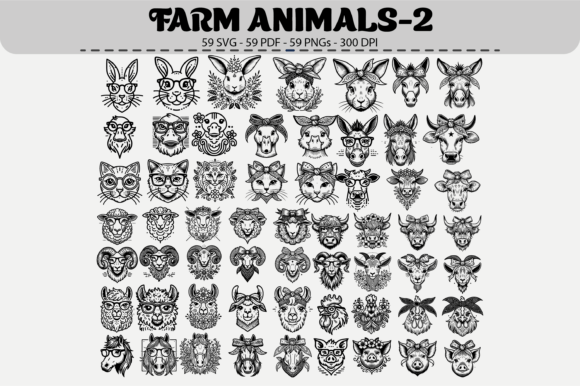
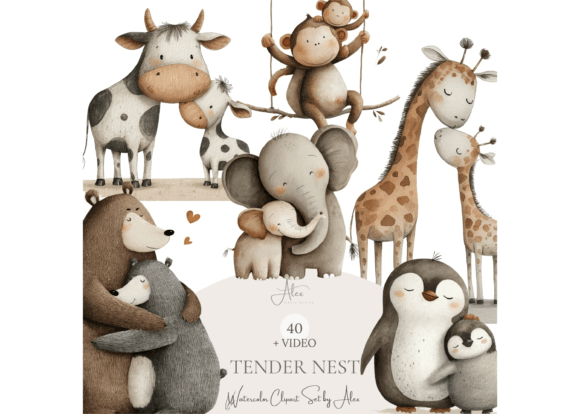
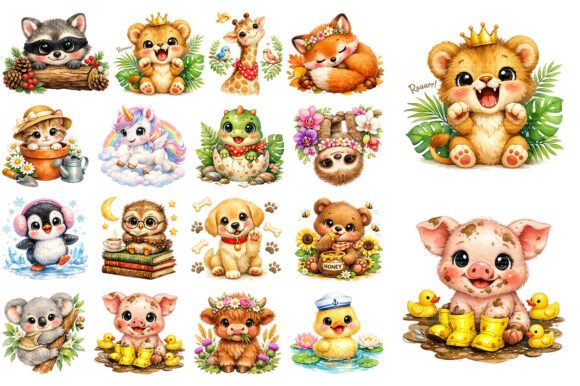
There's a particular quality to well-executed kawaii art that cuts through the noise. It's not just about being cute; it's a specific visual language of rounded forms, soft expressions, and a deliberate simplicity that communicates warmth and approachability instantly. The Kawaii Baby Animal Clipart Bundle is a prime example of this language mastered for practical use. This isn't a scattered collection of random illustrations. It's a cohesive set of 24 high-resolution PNG files, each a self-contained design asset at 4000x4000 pixels and 300 DPI, built for serious creative work. The animals—likely a cast of wide-eyed bunnies, sleepy foxes, curious kittens, and playful pandas—are rendered with consistent line weight and a harmonious color palette. This consistency is the bundle's greatest strength, allowing you to build entire campaigns, product lines, or publications with a unified aesthetic without the headache of matching disparate styles.
The Real-World Appeal of Cohesive Design Assets
For a designer or small business owner, time is a tangible cost. Sourcing, purchasing, and trying to blend individual graphics from different artists can derail a project timeline. A bundle like this one offers a solution: a ready-made visual identity toolkit. The characters share the same personality and technical specifications, meaning they can be mixed and matched across a project seamlessly. Imagine creating a series of social media posts where each graphic features a different animal, yet the entire feed feels intentionally curated. Or designing a set of thank-you cards for an e-commerce store where each card uses a different animal, but the branding remains unmistakably consistent. This level of cohesion elevates a project from a collection of parts to a professional, thoughtful whole, which directly influences brand perception and audience trust.
Practically speaking, the specifications are built for versatility. The 300 DPI and print-ready format mean you can move from digital to physical without reworking files. The large 4000x4000 pixel dimension offers generous flexibility. You can use an entire character as a hero image on a poster or extract a tiny paw print or a single ear to use as a subtle brand mark or pattern element. The RGB color mode is standard for digital use, but for any serious print application, converting to CMYK is a straightforward step in design software. The key is that the source material is high-quality, giving you the freedom to adapt it rather than being limited by it.
Strategic Applications Across Your Brand Ecosystem
Where does a set of kawaii baby animals actually work? The answer is broader than you might think. Its strength lies in communicating friendliness, gentleness, and joy—emotions that are valuable in many contexts.
- Branding & Packaging Design: This is a natural fit. For a baby product line, a children's bookstore, a bakery, or a pet care service, these illustrations can become the cornerstone of the brand identity. Use them on packaging, labels, business cards, and letterheads. They work exceptionally well as part of a logo design for brands targeting a family or pet-oriented audience, offering a memorable and friendly mark.
- Digital Marketing & Social Media: The cut-through ability of kawaii art on platforms like Instagram, Pinterest, and TikTok is undeniable. Use these cliparts to create engaging story highlights, animated stickers for Reels, eye-catching carousel posts, or adorable profile icons. They are perfect for creating a cohesive grid aesthetic that encourages follows and shares.
- Publishing & Editorial Design: Think beyond children's books. These assets can add a touch of whimsy to recipe blogs, wellness magazines, stationery designs, or even a tech company's internal newsletter to soften the tone. Use them as section breakers, chapter icons, or to illustrate specific concepts in a friendly way.
- Product & Merchandise: The commercial license (standard in such bundles) opens up physical products. Create all-over prints for tote bags, patterned fabric for pillows, designs for mugs, stickers, or apparel. The high resolution ensures crisp results even on larger items.
- Craft & Personal Projects: For hobbyists and crafters, the applications are endless: scrapbooking, custom party invitations, digital planners, printable wall art, or custom fabric designs for quilting.
Making It Work: Practical Integration Tips
Having a great asset is one thing; using it effectively is another. Here’s how to ensure this bundle enhances rather than clutters your work.
First, consider your audience and context. Kawaii style is universally appealing, but its perception shifts. For a tech startup's B2B whitepaper, it might undermine authority. For a mental health app or a community-driven platform, it could be the perfect way to create a welcoming, non-intimidating interface. Always test the fit with your core audience in mind.
Second, master the art of pairing. These illustrations are a display font in visual form—they are the star, meant to draw attention. Pair them with clean, neutral typography. A simple sans-serif font for body text or a classic serif for headlines will provide balance and ensure readability. Avoid pairing them with other highly decorative or handwritten fonts, as this will create visual chaos and diminish the visual hierarchy you're trying to establish.
Third, use them with intention. Don't scatter them randomly. Use a single animal as a focal point. Create a repeating pattern with a few characters for a background. Use a consistent animal for a specific campaign or product line to build recognition. The goal is to use the clipart to support your message, not distract from it.
Finally, respect the asset. While the files are high-quality, always do a quick check in your design software before finalizing. Ensure the resolution holds up at your intended output size. If you're using them in a web design project, optimize the file size for faster loading without sacrificing too much clarity. The investment in a premium, organized bundle pays off in the time you save and the professional consistency you gain, allowing you to focus on the creative strategy rather than the logistical hunt for assets.