Adorable Safari Baby Animal Clipart: A Designer's Guide
There's a specific kind of magic in a well-executed nursery theme. It’s more than just colors on a wall; it’s about creating a gentle, welcoming world. Recently, I was working on a project for a client who wanted a "whimsical woodland" feel, but with a touch of the exotic. We explored typical bears and foxes, but the energy shifted the moment we incorporated a Safari Baby Animal illustration. The soft, watercolor lion cub instantly brought a unique warmth and character that generic clipart couldn't match. It was this moment that solidified my appreciation for a truly well-curated design asset collection.
Understanding the Visual Charm of Safari Baby Animal Clipart
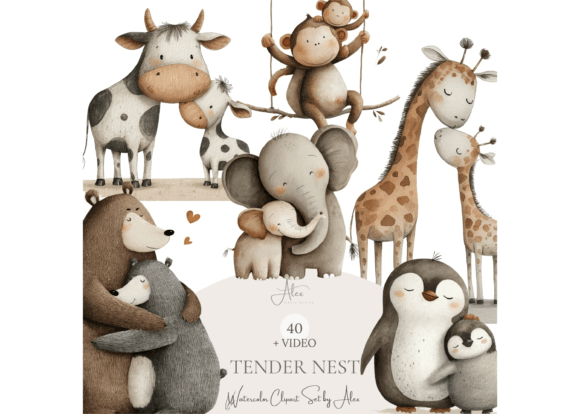
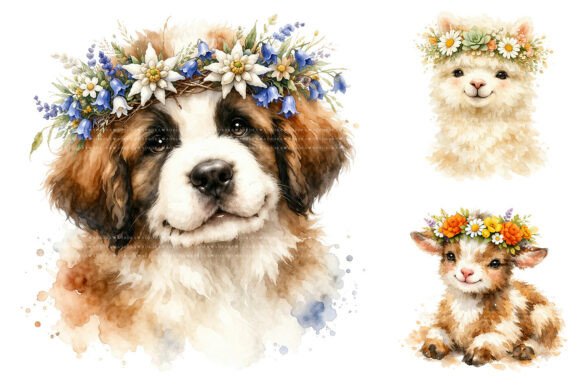
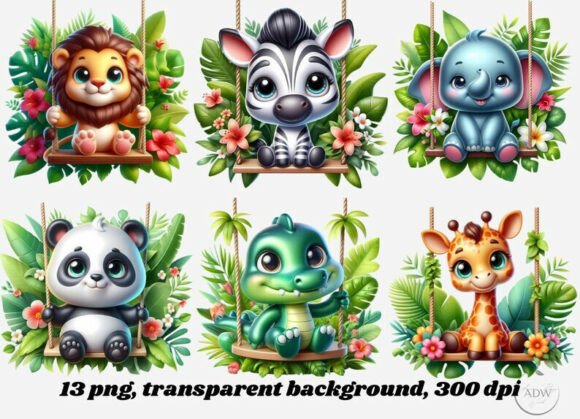
This isn't just another set of animal drawings. The Safari Baby Animal collection is defined by its distinct aesthetic. The style is unmistakably soft watercolor, characterized by gentle washes of color, subtle textures, and a hand-painted feel. The baby jungle animals—think sleepy lion cubs, curious giraffes, playful elephants, and wide-eyed zebras—are rendered with a personality that is both innocent and engaging. The lines are soft, the expressions are gentle, and the color palette tends toward muted pastels and earthy tones, making it incredibly versatile. This particular visual language communicates comfort, nature, and a sense of storybook wonder, which is why it resonates so deeply in projects aimed at children and families.
The real strength of this collection lies in its practical application. Each file is a high-quality PNG with a transparent background. For anyone who has spent hours painstakingly clipping out a subject from a white background in Photoshop, you know this is a non-negotiable feature. It means you can drop these adorable creatures directly onto any colored paper, textured background, or complex layout without a single pixel of awkward white border. This alone saves countless hours and elevates the final product from a hobbyist project to a professional-grade design.
Where This Collection Truly Shines: From Nursery Walls to Digital Storefronts
The applications for a versatile asset like the Safari Baby Animal clipart are surprisingly broad. Its primary home, of course, is in physical and digital products for young families. Nursery decor is a natural fit; imagine a series of framed prints featuring a different baby animal for each wall, or a custom growth chart with a playful giraffe stretching up the side. For baby shower invitations, these illustrations provide a theme that is charming and gender-neutral, moving beyond the typical rubber duck or stork motifs.
But the utility extends far beyond the nursery. I’ve seen designers use similar assets to create stunning sublimation designs for baby onesies, bibs, and blankets. The high-resolution files ensure the prints are crisp and clear even on fabric. For the digital entrepreneur, these are gold. They are perfect for creating printable wall art sold on Etsy, designing eye-catching birthday party kits (think cupcake toppers, banners, and favor tags), or enriching a line of planners and stickers for the journaling community. Scrapbookers find them invaluable for adding a focal point to a page documenting a zoo trip or a first birthday. The key is to see them not as isolated pictures, but as foundational elements for a cohesive brand or product line.
Making a Strategic Choice: Pairing and Professional Use
As with any design asset, thoughtful implementation is what separates good work from great work. When you bring the Safari Baby Animal clipart into a project, consider its role in your overall visual hierarchy. These are not subtle background elements; they are stars. Use them as the primary visual anchor. A single, beautifully placed lion cub can draw the eye and set the tone for an entire invitation or webpage header.
Font pairing is critical here. Because the clipart style is soft and illustrative, you want a typeface that complements, not competes. A clean, modern sans serif font with rounded edges can provide a friendly, legible contrast for body text. For headlines or names, a delicate script font or a soft handwritten font can echo the whimsical, personal feel of the illustrations. Avoid overly ornate, sharp, or formal serif fonts, as they can clash with the gentle aesthetic. The goal is to create a harmonious dialogue between image and text, where both elements enhance the other's strengths. This careful curation is what builds a strong brand identity, whether for a small business or a personal project.
Before you commit, always evaluate the project fit. Does the soft, storybook style of the Safari Baby Animal collection align with your client's brand or your own creative vision? If the project demands a bold, edgy, or hyper-realistic look, this might not be the right match. Test the assets in a mock-up. Place them on your intended background color, next to your chosen fonts. See how they feel together. This practical testing phase is invaluable. It’s also wise to review the full collection to see what other assets are included. Often, a well-rounded set will include complementary elements like leaves, savanna grasses, or decorative frames, which can help you build a more complete and cohesive design system without having to source additional graphics.
Finally, for any commercial project, licensing is paramount. Ensure the Safari Baby Animal clipart you purchase comes with a clear commercial license that covers your intended use, whether it's for selling physical products, digital downloads, or marketing materials. Reputable designers and marketplaces are transparent about this. Investing in properly licensed assets protects you legally and supports the artists who create these beautiful tools, allowing them to continue producing the high-quality design assets that fuel our creativity.